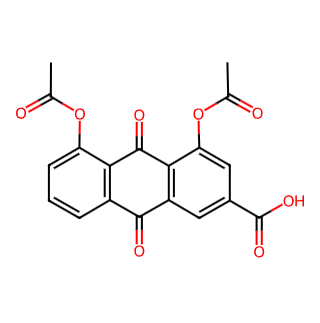
Diacerein, also known as an interleukin-1β (IL-1β) inhibitor, diacetylrhein, or fisiodar, is a multifaceted pharmacological compound.
Basic Information
English Names: Diacerein
CAS Number: 13739-02-1
Molecular Formula: C19H12O8
Molecular Weight: 368.29
Pharmacological Effects
IL-1β Inhibition: Diacerein is a slow-acting anthraquinone derivative that inhibits the production of interleukin-1β (IL-1β). It accomplishes this by reducing the generation of IL-1 converting enzyme (ICE, also known as caspase-1) and inhibiting the activation of IL-1β through related downstream signaling pathways.
Anti-inflammatory and Anti-rheumatic: Diacerein acts as an anti-inflammatory and anti-rheumatic agent, demonstrating significant anti-inflammatory effects in various models of inflammation and rheumatic diseases. For instance, in adjuvant-induced arthritis rats, Diacerein markedly suppressed paw edema and the increase in serum mucin.
Treatment of Osteoarthritis: Diacerein has been approved for the treatment of osteoarthritis in France, although its use is limited due to side effects such as severe diarrhea. Additionally, it is being studied for the treatment of insulin resistance, type 2 diabetes, and related complications.
Clinical Applications
Osteoarthritis: By reducing the production of inflammatory factors like IL-1β, Diacerein alleviates pain and inflammation in patients with osteoarthritis. Multiple clinical trials have demonstrated its significant efficacy in improving symptoms among these patients.
Asthma: Research indicates that Diacerein can relax bronchial spasms and control airway inflammation in asthmatic mice, suggesting its potential therapeutic role in respiratory diseases such as asthma.